How to Align Exhibit Design with Your Marketing Campaigns

Devyn Vanwettering
Trade shows no longer exist in a vacuum. In today’s marketing landscape, every touchpoint matters, and your exhibit is no exception. Brands that see real returns from trade shows understand that the booth on the show floor is not just a structure, but a physical extension of their broader marketing strategy. When exhibit design and marketing campaigns are aligned, the result is a cohesive experience that reinforces messaging, drives engagement, and supports measurable business goals. This is where integrated exhibit marketing becomes essential. Rather than treating exhibit design as a standalone effort, forward-thinking brands use it as a core component of their trade show campaign strategy, ensuring that every visual, interaction, and layout decision supports the bigger picture.
Why Exhibit Design and Marketing Must Work Together
Marketing campaigns are built on consistency. Whether a brand is launching a new product, repositioning its identity, or generating qualified leads, success depends on delivering the same message across every channel. When exhibit design operates separately from marketing, that consistency breaks down. Attendees may recognize the brand name but fail to connect the booth experience with what they have seen online, in email campaigns, or through social media. Aligning exhibit design with marketing campaigns ensures that the show floor becomes a continuation of the story already being told, not a disconnected moment that competes for attention.
Integrated exhibit marketing bridges the gap between physical and digital engagement. It allows brands to reinforce campaign themes in a tangible way, giving attendees something to see, touch, and experience. When executed correctly, the exhibit becomes a powerful amplifier of marketing efforts, not just a temporary presence at an event.
Defining Campaign Goals Before Design Begins
The foundation of alignment starts with clarity. Before any design concepts are developed, brands must define the purpose of the trade show within the larger marketing campaign. A booth designed to support a product launch will look and function very differently than one focused on thought leadership or relationship building. Clear goals help guide every design decision, from layout and graphics to technology integration and staffing strategy.
A strong trade show campaign strategy identifies what success looks like. This might include generating high-quality leads, increasing brand awareness, educating attendees, or driving post-show conversions. Once these objectives are established, exhibit design can be tailored to support them. Without this strategic foundation, even the most visually impressive booth risks missing the mark.
Translating Campaign Messaging into Physical Space
Marketing campaigns are built on messaging, but translating that messaging into a three-dimensional environment requires intention. Exhibit design must distill campaign narratives into clear, compelling visuals and spatial experiences. Attendees should be able to understand what a brand stands for and why it matters within seconds of approaching the booth.
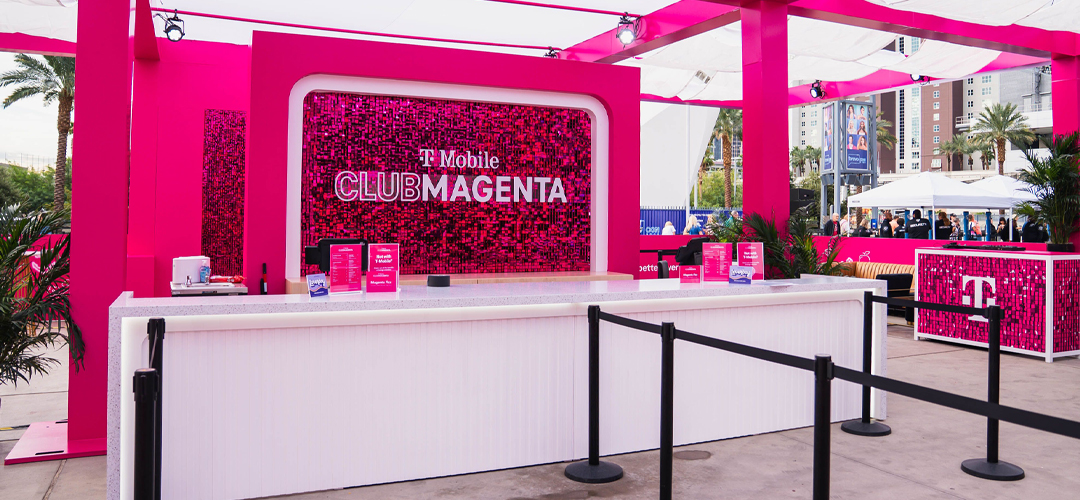
This process involves more than placing logos and slogans on walls. It requires thoughtful consideration of how messaging is layered throughout the space. Key campaign themes should be immediately visible, while deeper messaging unfolds as attendees move through the exhibit. Graphics, lighting, materials, and architectural features all play a role in reinforcing campaign identity. When done well, the exhibit feels like a natural extension of the brand’s marketing voice rather than a generic display.
Designing Layouts That Support Engagement Goals
Layout is one of the most critical, and often overlooked, elements of alignment. The way attendees move through a booth should mirror the desired journey outlined in the marketing campaign. A brand focused on education may prioritize open demo areas and clear sightlines, while a campaign centered on relationship building might emphasize comfortable meeting spaces and semi-private zones.
Strategic layout design supports integrated exhibit marketing by guiding behavior. Traffic flow, entry points, and engagement zones should encourage attendees to interact in ways that align with campaign objectives. A well-planned layout reduces friction, keeps visitors engaged longer, and increases the likelihood of meaningful conversations. When layout decisions are driven by campaign strategy rather than aesthetics alone, the exhibit becomes a functional marketing tool.
Maintaining Consistency Across All Marketing Channels
One of the hallmarks of successful trade show campaigns is consistency across touchpoints. The exhibit should visually and conceptually align with pre-show promotions, digital ads, social media content, and post-show follow-ups. This consistency reinforces brand recognition and helps attendees connect their on-site experience with what they have seen before and after the event.
Integrated exhibit marketing ensures that colors, typography, imagery, and messaging remain aligned with campaign assets used elsewhere. When attendees recognize familiar visuals from email campaigns or social posts on the show floor, it creates a sense of continuity that builds trust and credibility. The exhibit becomes part of a larger ecosystem rather than a standalone attraction.
Leveraging Technology to Extend Campaign Reach
Technology plays a vital role in aligning exhibit design with modern marketing campaigns. Digital displays, interactive touchpoints, and immersive media allow brands to deliver campaign content dynamically and adapt messaging in real time. These tools also help bridge the gap between physical engagement and digital follow-up.
Interactive experiences support trade show campaign strategy by encouraging participation and data capture. Whether through live demos, interactive screens, or content creation moments, technology allows exhibitors to collect insights that inform post-show marketing efforts. When technology is integrated thoughtfully, it enhances storytelling rather than distracting from it, ensuring that campaign messaging remains the focal point.
Supporting Campaign Metrics Through Exhibit Performance
Alignment between exhibit design and marketing campaigns also enables better measurement. When exhibits are designed with campaign goals in mind, it becomes easier to evaluate performance using relevant metrics. Engagement time, lead quality, content interaction, and post-show conversions all provide insight into how effectively the exhibit supported the overall campaign.
This data-driven approach allows brands to refine future efforts. By analyzing how attendees interacted with the exhibit and which elements drove the most engagement, marketing teams can adjust messaging, layout, and content for upcoming shows. Integrated exhibit marketing transforms the exhibit from a static investment into an evolving asset that improves with each campaign.
Planning for Longevity and Reusability
Marketing campaigns rarely stop at a single event. Exhibits that align with campaign strategies are often designed for flexibility, allowing them to support multiple shows, audiences, and phases of a campaign. Modular design, adaptable graphics, and scalable technology ensure that the exhibit remains relevant as marketing objectives evolve.
This approach not only maximizes return on investment but also strengthens brand consistency over time. A well-aligned exhibit can support product launches, regional tours, and annual trade show programs without losing its connection to the overarching marketing narrative. Planning for longevity reinforces the role of the exhibit as a core campaign asset rather than a one-time expense.
The Role of Strategic Exhibit Partners
Achieving alignment between exhibit design and marketing campaigns requires collaboration. Strategic exhibit partners understand how to translate marketing objectives into physical environments that perform. They work closely with marketing teams to ensure that design decisions support campaign goals, timelines, and metrics.
Steadfast Displays approaches exhibit design with this integrated mindset, focusing on how each build supports broader marketing initiatives. By aligning creative execution with campaign strategy, Steadfast Displays helps brands create exhibits that function as powerful extensions of their marketing efforts. This collaborative approach ensures that the final result is not only visually compelling but strategically effective.
Trade shows remain one of the most powerful opportunities for face-to-face engagement, but their impact depends on alignment. When exhibit design supports marketing campaigns, the show floor becomes a natural extension of the brand story rather than a disconnected experience. Integrated exhibit marketing allows brands to reinforce messaging, guide engagement, and measure success more effectively. By starting with clear campaign goals, translating messaging into physical space, and maintaining consistency across channels, exhibitors can turn their booths into campaign engines that drive real results. With the right strategy and the right partners, exhibit design becomes more than a visual statement. It becomes a critical component of a successful trade show campaign strategy.


