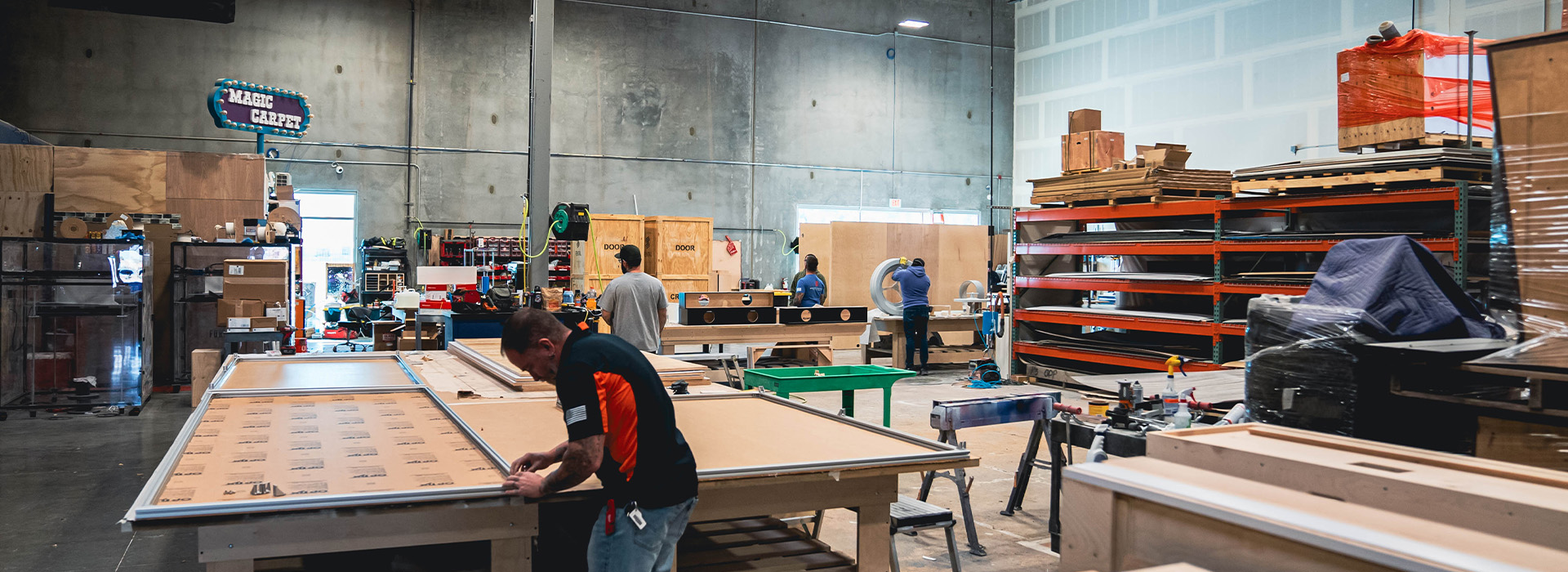
The success of a trade show booth relies on more than just design. It’s about choosing the right materials that balance durability, portability, and visual appeal. Trade shows offer businesses a unique opportunity to showcase their brand, connect with potential customers, and leave a lasting impression. However, without high-quality materials, even the most well-designed booth can fail to hold up under the demands of repeated use, transportation, and frequent setup and takedown.
At Steadfast Displays, we specialize in custom exhibit fabrication, ensuring that every booth not only looks impressive but also functions efficiently. Selecting the best materials for trade show booths ensures that your display remains visually stunning while meeting the practical requirements of setup, transport, and longevity.
Whether you’re designing a compact modular booth or a large, immersive exhibit, understanding the materials available can make all the difference in delivering a trade show presence that stands out and withstands the test of time.
The materials used in your trade show booth influence everything from its appearance and durability to its ease of transport and sustainability. Here are some key factors to consider when selecting the right materials for your exhibit:
Trade show booths undergo constant wear and tear due to frequent assembly, disassembly, and transportation between venues. Choosing durable materials ensures that your investment lasts longer and maintains a professional appearance throughout multiple events. While certain materials may cost more upfront, they can reduce maintenance and replacement costs in the long run.
Trade show logistics often involve shipping, handling, and labor costs associated with setup. Heavy materials increase transportation costs and can make installation more difficult. Lightweight materials, such as aluminum framing and fabric graphics, offer an excellent balance of durability and ease of handling. Modular designs using these materials allow for greater flexibility while keeping costs manageable.
Your trade show booth should reflect your brand’s identity and message. Materials like wood, acrylic, and LED displays can create a sleek, modern appearance, while fabric panels and modular structures offer a more dynamic, customizable experience. High-quality printing techniques ensure that logos, graphics, and messaging appear sharp and professional.
Finding the right balance between quality and affordability is essential when choosing booth materials. PVC panels, aluminum framing, and fabric displays provide cost-effective solutions without sacrificing aesthetics or durability. Reusable modular components also help maximize your budget by allowing booths to be reconfigured for different events.
As sustainability becomes a priority for many businesses, selecting eco-friendly materials can reduce environmental impact while still delivering a high-quality display. Options like recycled fabric graphics, bamboo flooring, and reclaimed wood panels offer sustainable alternatives. Additionally, using modular and reusable booth components minimizes waste and long-term costs.
Trade show booths must maintain a polished, professional look throughout multiple events. Materials that are resistant to scratches, stains, and smudges, such as acrylic, laminated surfaces, and powder-coated metals, ensure that your booth remains in top condition with minimal upkeep.
Selecting the right materials is essential for creating a functional, visually striking, and long-lasting trade show booth. Below are the most commonly used materials for different booth components.
The framework provides the foundation and stability of the booth. The right choice depends on the exhibit’s size, weight considerations, and reusability.
The surfaces of your booth create the visual appeal and define your brand’s presence. The right material will depend on your design preferences and budget.
Flooring plays a key role in creating a comfortable, professional space. Choosing the right materials enhances brand identity and visitor experience.
Lighting can dramatically enhance visibility and ambiance. Selecting the right lighting materials ensures that the booth attracts attention and directs visitor focus.
Choosing the right materials is only part of the process. The way materials are used, designed, and fabricated can significantly enhance efficiency, reduce costs, and improve reusability.
Mixing metal, wood, and fabric creates a visually dynamic and high-end booth. A combination of different textures and finishes adds depth and engagement while keeping costs balanced.
Using interchangeable panels and modular frameworks allows for adaptability across different trade shows. Modular exhibits provide cost savings by enabling booths to be resized or rebranded as needed.
Selecting materials that withstand multiple uses ensures longevity. Aluminum frames, fabric graphics, and laminate panels offer versatility and reusability, making them smart investments for long-term exhibit use.
Adding protective coatings and laminates prevents scratches, stains, and wear, keeping the booth looking new for multiple events. Proper storage and handling also extend material lifespan.
Choosing the best materials for a trade show booth requires a balance of durability, branding impact, and cost-effectiveness. At Steadfast Displays, we specialize in helping businesses create custom exhibits that stand out while maintaining practicality and efficiency.
We offer:
Selecting the right materials for a custom trade show display ensures your booth is durable, visually impactful, and easy to manage. Balancing weight, cost, branding, and sustainability creates an exhibit that delivers a high return on investment while maintaining a strong presence at every event.
At Steadfast Displays, we combine expert design, premium materials, and innovative fabrication to craft exceptional trade show booths. Contact us today to start building a custom exhibit that elevates your brand and captures attention at your next event!
Welded aluminum frames with quality wood or composite panels: light enough to ship sanely, tough enough to survive dozens of installs. Durability is mostly in the joinery and casework, not the raw substrate.
Aluminum extrusion, tension fabric graphics, honeycomb and composite panels. Every pound saved repeats as savings in freight and drayage at every show on the calendar.
Fabric wins on weight, packing size, and graphic swaps; rigid panels win on dimension, mounting strength, and a built feel. Most strong booths mix both deliberately.

The booth comes back from its fourth show and something about it has changed. Nothing is broken exactly, but the white has…
Read article →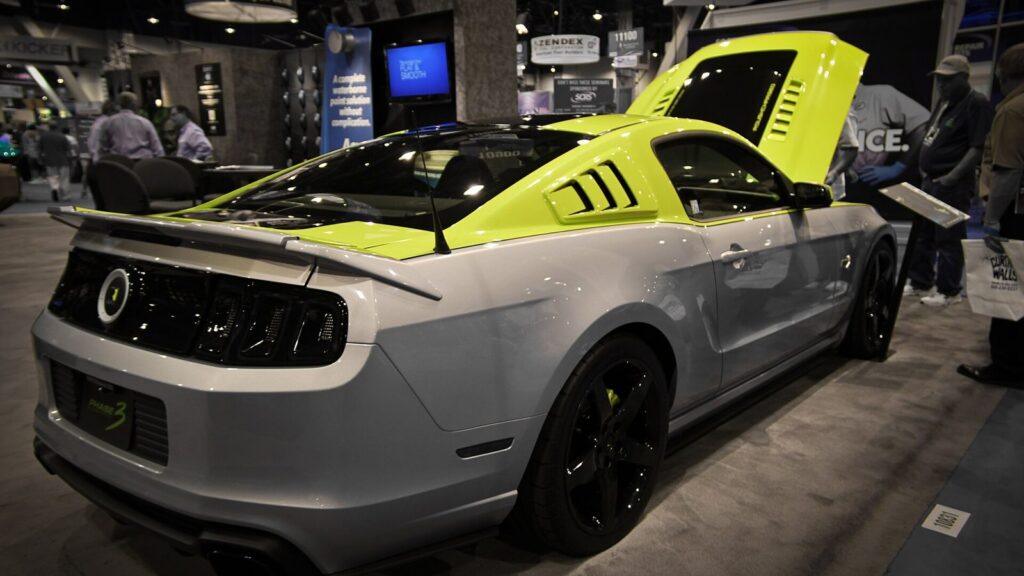
SEMA 2026 runs November 3–6 at the Las Vegas Convention Center. Booth space, full-program budgets, every deadline that carries a penalty, hall…
Read article →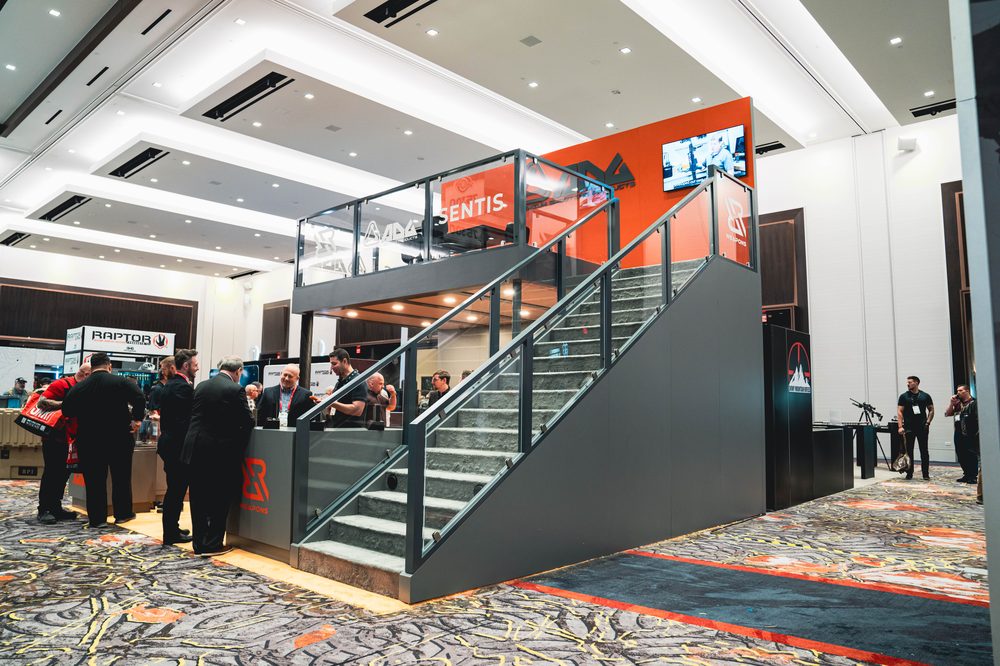
What makes a trade show booth ADA compliant: pathway widths, counter heights, ramped flooring, and content placement, designed in from the start.
Read article →Tell us what you’re imagining. One business day, one real ballpark, not a runaround.
