The Role of Storytelling in Custom Exhibit Design

Devyn Vanwettering
Trade shows are no longer about who has the biggest banner or the brightest lights. In a crowded exhibit hall filled with competing brands, attention is short and first impressions happen fast. What separates forgettable booths from memorable ones is not just visual impact, but meaning. This is where storytelling in exhibits becomes essential. A well-designed custom exhibit should do more than display products or logos. It should communicate a narrative that visitors can feel, understand, and remember. Narrative trade show design transforms a booth from a static structure into an experience that guides attendees through a brand’s purpose, personality, and promise.
For growing brands and established companies alike, storytelling is now a strategic design tool. It creates emotional connections, drives engagement, and helps exhibitors stand out in an environment designed to overwhelm. Understanding how storytelling works within custom exhibit design is key to building experiences that resonate long after the show floor clears.
Why Storytelling Matters in Modern Trade Show Exhibits
Trade show attendees are constantly filtering information. Hundreds of booths compete for a few seconds of attention, and most visitors are not actively looking for sales pitches. Storytelling in exhibits cuts through this noise by appealing to emotion rather than instruction. Humans are naturally wired to respond to stories. A clear narrative gives visitors context and helps them understand why a brand exists and what it stands for.
When a booth communicates a story instead of a list of features, it invites visitors to slow down and engage. They are more likely to step inside, explore, and retain what they experience. Narrative trade show design helps brands move beyond surface-level attraction and create meaningful conversations that feel natural rather than forced.
From Static Displays to Narrative Trade Show Design
Traditional booths often focus on visual impact alone. Large logos, oversized graphics, and product displays dominate the space, but they rarely guide the visitor anywhere. In contrast, narrative trade show design treats the booth like a story with structure. There is a beginning that draws people in, a middle that develops the message, and an end that leaves a lasting impression.
This approach allows exhibitors to control the visitor journey. Instead of hoping people connect the dots on their own, the exhibit architecture, visuals, and interactions work together to tell a cohesive story. Storytelling in exhibits ensures that every element has a purpose and supports the larger message rather than competing for attention.
Defining the Brand Story Before Design Begins
Effective storytelling starts long before fabrication or graphic production. A strong exhibit narrative is built on a clear understanding of brand identity, values, and audience. Without this foundation, even the most visually impressive booth risks feeling empty or confusing.
Defining the brand story involves identifying what the company wants visitors to feel, learn, and remember. Is the brand focused on innovation, trust, craftsmanship, or transformation? Narrative trade show design brings these ideas to life physically, translating abstract concepts into spatial experiences. When the story is clear from the start, the design process becomes more intentional and cohesive.
Using Layout and Flow to Guide the Story
The physical layout of a booth plays a major role in storytelling in exhibits. How visitors enter the space, where they naturally pause, and how they move through the environment all influence how the story unfolds. A well-planned layout guides visitors intuitively, without the need for signage or explanation.
Narrative trade show design uses spatial sequencing to control pacing. Entry points can introduce the story, central zones can deepen engagement, and exit areas can reinforce key takeaways. Thoughtful traffic flow keeps visitors engaged without overwhelming them, allowing the story to progress naturally as they move through the space.
Visual Elements That Bring Exhibit Stories to Life
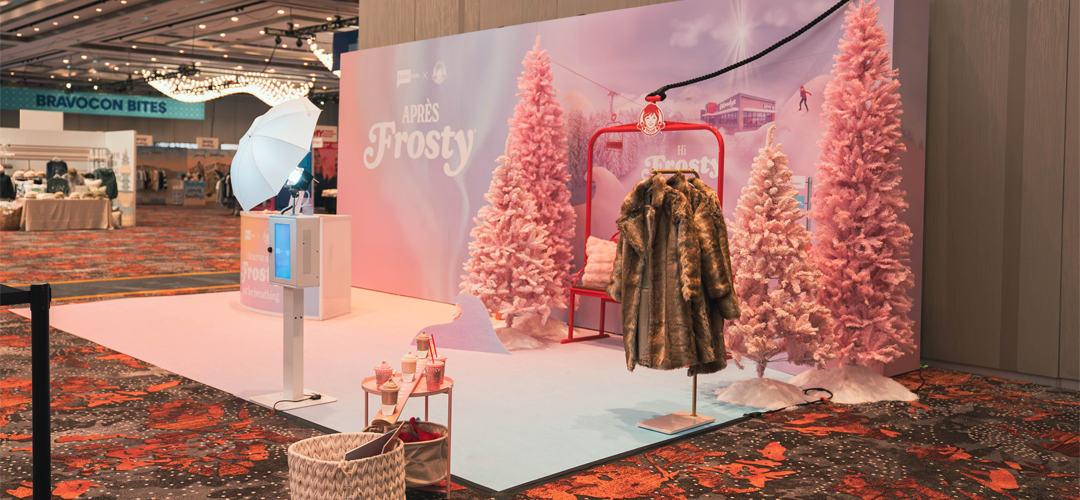
Visual design is one of the most obvious tools for storytelling in exhibits, but its effectiveness depends on cohesion. Graphics, lighting, materials, and color palettes should reinforce the narrative rather than distract from it. Every visual choice contributes to tone, mood, and message.
Narrative trade show design relies on consistency. The same story should be communicated through large-scale graphics, subtle textures, and lighting accents. When visuals are aligned with the brand story, the booth feels intentional and immersive instead of random or cluttered. Custom fabrication allows these elements to be integrated seamlessly rather than applied as surface decoration.
Interactive Elements as Storytelling Tools
Interactivity takes storytelling in exhibits to the next level by turning visitors into participants. Touchscreens, demonstrations, and experiential installations allow attendees to engage with the narrative rather than passively observe it. This creates a stronger emotional connection and encourages longer dwell times.
Narrative trade show design uses interactivity strategically. Each interaction should move the story forward, not exist solely for novelty. Whether it’s hands-on product exploration or immersive digital content, interactive elements deepen understanding and make the story more memorable.
Aligning Storytelling With Business Goals
A compelling story is only valuable if it supports measurable outcomes. Storytelling in exhibits should align with brand objectives such as lead generation, awareness, product education, or relationship building. Narrative trade show design is most effective when creativity is balanced with clear intent.
When the story and goals are aligned, visitors leave with a strong impression and a clear understanding of next steps. This might mean initiating a conversation, booking a follow-up, or simply remembering the brand when making future decisions. Story-driven exhibits create stronger recall because they resonate on both emotional and practical levels.
Common Mistakes That Weaken Exhibit Storytelling
One of the most common mistakes in storytelling in exhibits is trying to say too much at once. Overloading a booth with messaging, visuals, or interactive features can confuse visitors and dilute the story. Narrative trade show design thrives on clarity and focus.
Another issue is disconnection. When visuals, layout, and messaging don’t align, the story feels fragmented. Visitors may enjoy individual elements but miss the larger message. Successful storytelling requires discipline and consistency, ensuring every component contributes to a unified narrative.
Why Custom Fabrication Is Essential for Story-Driven Exhibits
Off-the-shelf exhibit systems often limit storytelling potential. While they may be cost-effective, they restrict layout flexibility and creative expression. Storytelling in exhibits benefits from custom fabrication because it allows the space to be built around the narrative rather than forcing the story to fit within preset limitations.
Steadfast Displays approaches custom exhibit design with storytelling at the core. Custom fabrication enables unique architectural features, integrated technology, and tailored layouts that enhance narrative trade show design. This flexibility is essential for creating environments that feel immersive and brand-specific rather than generic.
Adapting Storytelling Across Shows and Audiences
A strong exhibit story should be adaptable. While the core narrative remains consistent, it can be adjusted to fit different audiences, industries, or event goals. Narrative trade show design allows brands to evolve their story over time without losing identity.
Steadfast Displays helps clients design exhibits that support long-term storytelling strategies. Modular custom elements, adaptable graphics, and scalable layouts make it easier to refresh chapters of the story while maintaining continuity. This approach ensures exhibits remain relevant across multiple shows without starting from scratch.
The Emotional Impact of Storytelling on the Show Floor
Trade shows are intense environments filled with distractions, schedules, and competing priorities. Storytelling in exhibits creates moments of clarity and connection amid the chaos. When visitors emotionally connect with a brand, they are more likely to trust it and remember it.
Narrative trade show design transforms the booth into a space where visitors feel something, whether it’s inspiration, curiosity, or confidence. These emotional connections often matter more than any single product feature and can influence purchasing decisions long after the event ends.
Storytelling is no longer optional in trade show exhibit design. It is a powerful tool that turns physical spaces into meaningful brand experiences. Storytelling in exhibits gives structure to creativity, ensuring visuals, layouts, and interactions all work together to communicate a clear message. Narrative trade show design helps brands move beyond surface-level impressions and create emotional connections that last.
Steadfast Displays understands that the most successful exhibits are not just built, they are told. By combining strategic storytelling with custom fabrication, thoughtful layout, and immersive design, Steadfast Displays helps brands create exhibits that engage, inspire, and connect. When storytelling drives the design process, trade show booths become experiences visitors remember long after the show floor fades. Contact us today to begin your journey.


