
The Las Vegas Convention Center is one of the most important addresses in the trade show world. Spanning more than four and a half million square feet across its campus, it hosts some of the largest and most influential industry events on the calendar, drawing hundreds of thousands of attendees from around the globe every year. For exhibitors, earning a spot on that floor is a genuine opportunity. But it is also a logistical environment unlike almost any other, and the brands that thrive there are the ones that understand what they are walking into long before the show doors open.
Exhibiting at a venue of this scale is not the same as showing up to a regional event in a local ballroom. The sheer size of the building, the volume of simultaneous activity, the union labor rules, the move-in and move-out windows, and the competition for attention all combine to create a high-stakes setting where preparation is everything. This guide breaks down what you need to know to exhibit successfully at the Las Vegas Convention Center, from understanding the venue itself to designing a booth that can actually perform in that environment.
The Las Vegas Convention Center is organized into several large exhibit halls along with the newer West Hall expansion, which added significant column-free exhibit space and a more modern attendee experience. Each hall is enormous, and that scale has real implications for how your booth reads from a distance. A display that would dominate a smaller venue can disappear entirely inside one of these halls if it is not designed with verticality, bold sightlines, and strong overhead elements in mind.
Ceiling heights are generous, which opens the door to taller structures, hanging signs, and double-deck builds that simply would not be possible elsewhere. Floor load capacities are robust enough to support heavy fabricated elements, but every venue has rules about rigging points, maximum heights, and line-of-sight restrictions for neighboring booths. Knowing those parameters before you design is critical, because nothing derails a build faster than discovering during installation that your centerpiece violates a height limit or blocks an adjacent exhibitor.
The campus is also spread out, and attendees cover a lot of ground during a single event. That means your booth has to earn attention quickly. Visitors are moving with purpose, often working from a planned list of must-see exhibits, and you have only a few seconds to interrupt that momentum and pull someone in.
One of the biggest adjustments for exhibitors new to a venue of this size is the move-in and move-out process. Large shows operate on tightly scheduled targeted freight windows, where your materials are assigned a specific delivery time to keep the loading docks from descending into chaos. Missing your window can mean expensive delays or watching your crates sit while hundreds of other exhibitors are prioritized ahead of you.
Labor is another major consideration. Like most major convention venues, the Las Vegas Convention Center operates under union jurisdiction for many installation and dismantle tasks, and understanding which work your own team can handle versus which requires labor is essential to budgeting and scheduling. Material handling, often referred to as drayage, covers the movement of your freight from the dock to your booth space and back, and it is one of the most commonly underestimated line items in an exhibitor’s budget. Building a realistic understanding of these costs and rules early prevents unpleasant surprises later.
This is exactly where the value of a fabrication partner who lives and works in Las Vegas becomes obvious. A team that builds locally can stage, deliver, and install with a level of proximity and familiarity that out-of-town shops simply cannot match. When your exhibit is fabricated minutes from the venue rather than shipped across the country, the entire process of getting from the shop to the show floor becomes dramatically simpler. If you want a deeper look at how that journey works, our breakdown of exhibit logistics walks through everything that happens between the crate and the carpet.
Designing for a venue this large requires a different mindset than designing for a modest regional show. The first priority is visibility from a distance. In a hall packed with competing exhibits, your structure needs strong vertical elements, illuminated branding, and a recognizable silhouette that an attendee can spot from several aisles away. Overhead hanging signs are especially valuable here, because they communicate your presence above the visual clutter of the floor and guide foot traffic toward you.
The second priority is flow. A booth that draws a crowd is only successful if that crowd can move through the space comfortably without creating bottlenecks. Thoughtful layout, clear entry points, and defined zones for demonstrations, conversations, and quieter discussions all contribute to a space that functions under pressure. Custom trade show exhibits give you the freedom to engineer that flow deliberately rather than forcing your engagement strategy to fit the constraints of an off-the-shelf system.
The third priority is durability and reusability. The investment required to exhibit at a venue of this caliber is significant, and a well-built custom structure designed to be refreshed and redeployed across multiple shows protects that investment over time. Pairing a strong structural build with high-impact large-format graphics and signage ensures that your booth not only holds up physically but continues to look sharp event after event.
It is worth remembering that everything you choose to build is in service of a single goal: making attendees stop, engage, and remember you. The materials, the lighting, the structure, and the graphics all work together to create an environment that feels intentional. Brands that treat their booth as a strategic asset rather than a checkbox consistently outperform those that do not, and that gap only widens at a venue where the competition is this fierce.
There is a reason so many flagship industry events choose Las Vegas as their home. The city is built for hospitality at scale, with the hotel capacity, transportation infrastructure, dining, and entertainment to support enormous gatherings. For exhibitors, that ecosystem is an advantage worth leveraging. Attendees are often in town for several days, in a receptive and social frame of mind, and open to experiences that extend beyond the show floor. Smart brands think about how their trade show presence connects to that broader environment, whether through after-hours activations, hosted dinners, or memorable booth experiences that give attendees a story to tell.
Working with a local partner amplifies that advantage even further. A shop based in the city understands the venues, the labor landscape, the timelines, and the quirks of exhibiting in Las Vegas in a way that distant vendors never will. That local knowledge translates directly into smoother installations, faster problem-solving when something inevitably needs adjusting on site, and a calmer, more confident lead-up to your show. As a Las Vegas company offering full-service custom fabrication, Steadfast Displays has spent years helping brands navigate exactly these challenges, building exhibits engineered specifically for the demands of large-venue environments.
A few mistakes come up again and again for exhibitors at major venues. The first is underestimating timelines. Designing, engineering, fabricating, and installing a custom exhibit takes longer than most first-time exhibitors expect, and waiting too long to start almost always means compromises in quality or scrambling against the clock. The second is budgeting only for the visible booth while overlooking the operational costs of drayage, labor, rigging, and storage. The third is designing for how a booth looks in a rendering rather than how it performs in a crowded, fast-moving hall full of distractions.
The brands that avoid these pitfalls are the ones that plan early, partner with people who know the venue, and treat the entire process as a strategic investment rather than a last-minute scramble. That shift in mindset is often the difference between a forgettable showing and a standout presence that generates real momentum well after the event ends.
Exhibiting at the Las Vegas Convention Center is one of the best opportunities your brand can pursue, and it deserves a booth built to match the moment. If you are planning an upcoming show at the LVCC and want a local team that can design, fabricate, and install an exhibit engineered to command attention on that floor, let’s start the conversation today. Tell us about your show, your goals, and your space, and the Steadfast Displays team will help you build a presence worthy of the biggest stage in the industry.
Planning a Las Vegas show? Explore the trade shows we build for — CES, SEMA, SHOT Show, World of Concrete, MAGIC, and more.
Budgeting your Vegas show? Start with what a trade show booth really costs in 2026.

Most exhibitors pour their energy into the show floor itself, perfecting the booth, training the staff, and preparing the demos, and then…
Read article →
Before a single graphic is designed or a single material is selected, every exhibitor faces a decision that quietly shapes everything that…
Read article →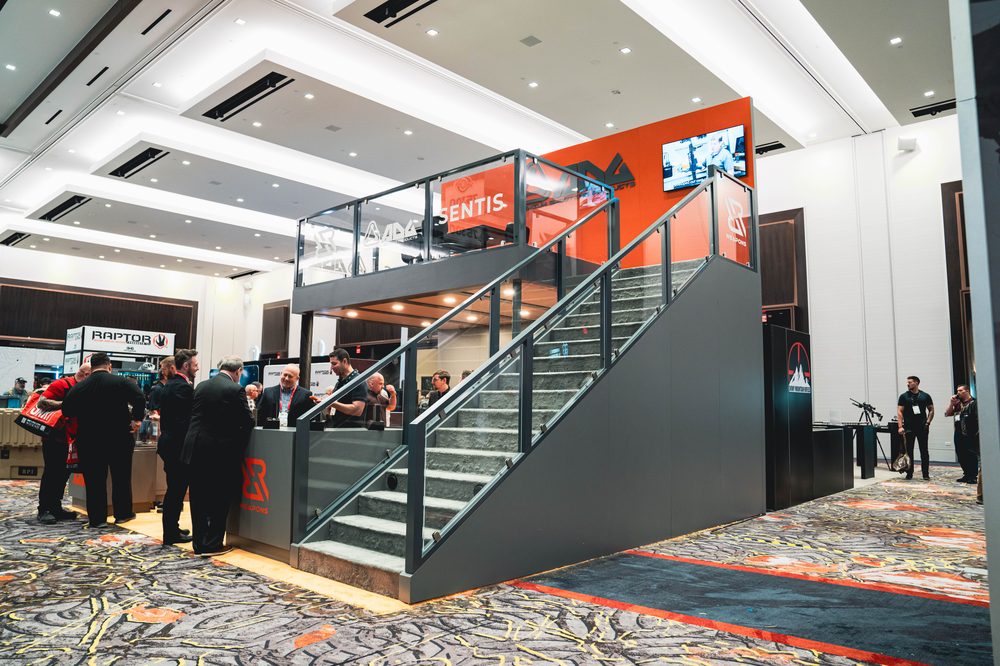
Real 2026 trade show booth costs — custom builds from $15k, all-in rentals from $3,500, plus the drayage and labor fees nobody…
Read article →Tell us what you’re imagining. One business day, one real ballpark — not a runaround.
